The greatest gift you can leave isn’t in your will

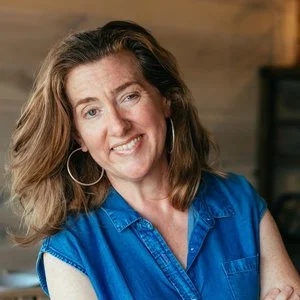
This post is written by a guest blogger, Alexis Hughes.
Alexis Hughes is an end-of-life doula, life coach, and founder of Without Fear. She helps individuals and families navigate life’s hardest conversations with clarity, compassion, and practical guidance. By working alongside estate planning professionals, Alexis helps clients move beyond completing documents to creating plans that truly reflect the lives - and relationships - they’ve built.
When people think about estate planning, they often picture legal documents.
A will.
A trust.
Powers of attorney.
Healthcare directives.
These are all incredibly important, and they deserve thoughtful attention. But after working with families as an end-of-life doula and life coach, I’ve learned that the documents themselves are only part of the story. The greatest gift you can leave isn’t simply a well-organized estate.
It’s clarity. It’s a simple conversation. It’s making the difficult decisions now, so the people you love aren’t forced to make them later - without you, and while trying to grieve you. One of the most meaningful parts of my work is sitting down with people before a crisis ever happens. We talk about practical things: who will manage finances if they become incapacitated, where important documents are stored, who will care for beloved pets, and how personal treasures should be distributed.
But we also talk about the human side of planning.
What does a good quality of life mean to you?
What does dignity look like?
Who do you want advocating for you if you can't speak for yourself - and why?
What stories do you want your family to know?
These aren’t always easy conversations; they’re deeply personal, and yet, almost every
client tells me the same thing afterward:
“I feel lighter.”
Not because they’ve been forced to think about death, but because they;ve finally
stopped avoiding it.
Why Personal Relationships Matter
There are many qualified professionals who can administer a trust or manage an estate. Technical knowledge is essential, but families also need someone who knows the people behind the paperwork. Someone who understands that the handwritten recipe tucked inside a cookbook may matter more than the expensive china, who remembers that the family dog isn’t “property”- he’s part of the family, who knows that two siblings who seem perfectly agreeable today may grieve very differently tomorrow.
Planning is never just about assets: It’s about people.
One of the biggest misconceptions I encounter is that signing the documents means the work is finished. In reality, that’s often where the most important work begins. If you’ve named someone as your Financial Power of Attorney, have they agreed to serve? Do they understand your wishes? If you've chosen a healthcare decision-maker, have you talked about what those decisions might actually involve? If you’ve made plans for pets, heirlooms, or family traditions, have you shared those hopes with the people who will carry them forward?
Legal authority and emotional preparedness are not the same thing.
The strongest plans address both. Many people delay planning because it feels uncomfortable. Understandably so. Thinking about illness, incapacity, or death isn't anyone’s favorite way to spend an afternoon. But every thoughtful conversation today is one less impossible decision for your family tomorrow. Every documented wish is one less argument, every prepared decision-maker is one less person left wondering, “Am I doing the right thing?”
We finish talking about wills and trusts, powers of attorney, healthcare directives (the documents everyone expects to discuss) and then the conversation shifts. Someone says, almost apologetically, “Can I ask you something that’s probably weird?”
Those are my favorite questions.
They’re the ones about the dog that sleeps at the foot of the bed every night. The collection of tools no one else understands. The recipe box that”s worth more than the jewelry. The adult son who is wonderful with money but falls apart in hospitals. The sister who would make every medical decision out of love, but not necessarily the way they would want.
None of those questions fit neatly into a legal document. Yet they’re often the ones that matter most.
I’ve spent years working with people at the end of life, and if there’s one thing I’ve learned, it’s that families rarely struggle because someone didn't love them enough.
They struggle because no one talked about what mattered before they had to. A beautifully drafted trust can;t tell your daughter why you wanted to stay home if you became seriously ill. It can’t reassure your son that he’s making the right decision when he’s forced to make one without you. It can’t explain why your old pickup truck was always meant for your nephew, even though it isn’t worth very much on paper.
Documents may provide authority, but conversations provide confidence.
The best planning I’ve ever witnessed has never been about preparing for death. It’s been about making life easier for the people who have to keep living without you. That’s what estate planning truly provides, not just legal protection, but peace of mind for the people left to hold your memories and your legacy.
The Conversation Is the Legacy
I’ve had the privilege of witnessing families during some of life’s most difficult moments. Rarely do they remember the exact wording inside a trust document.
What they remember is whether they knew what their loved one wanted, whether they felt confident carrying out those wishes, if they were able to spend their energy loving each other instead of guessing.
The best estate plans don’t simply transfer assets. They transfer confidence, communicate values, preserve relationships, and ultimately, that’s the legacy most of us hope to leave behind. Estate planning is often viewed as a transaction. Meet with an attorney. Sign the paperwork. Put everything in a binder and hope no one needs it for a very long time.
But I don’t think that’s where planning ends; think that’s where we get started.
The real work happens around kitchen tables, over coffee, during conversations that start with, “I’ve been meaning to tell you...”
It’s telling your family why you’ve made the decisions you’ve made.
It’s letting the person you’ve named as your healthcare agent ask uncomfortable questions before they’re standing beside a hospital bed.
It’s giving yourself permission to talk about the future without believing you're inviting it to arrive any sooner.
Those conversations don’t diminish hope - they create peace.
One of the greatest privileges of my work is watching the relief that settles over people once those conversations have happened. Not because everything is suddenly perfect, but because uncertainty begins to lose its grip.
There is an incredible kindness in leaving fewer questions behind.
That’s what thoughtful planning really is. Not preparing for your death, but caring for the people you love while you're still here enough to tell them what matters. And to me, that’s one of the most profound acts of love we can leave behind.